
Does Rhodiola Rosea Extract Powder Improve Energy Levels?
2025-07-01 16:15:37
Rhodiola rosea extract powder has garnered significant attention for its potential to enhance energy levels and combat fatigue. This adaptogenic herb, native to cold regions of Europe and Asia, has been used for centuries in traditional medicine. Modern research suggests that rhodiola rosea powder extract may indeed boost energy by helping the body adapt to physical, chemical, and environmental stress. Its active compounds, particularly salidroside and rosavin, are believed to influence neurotransmitters and hormones related to energy metabolism. While individual responses may vary, many users report increased vitality, reduced mental fatigue, and improved physical performance when incorporating rhodiola rosea extract powder into their wellness routines.
Understanding Rhodiola Rosea's Role as an Adaptogenic Herb
The History and Traditional Uses of Rhodiola Rosea
Rhodiola rosea, also known as "golden root" or "arctic root," has a rich history in traditional medicine. For centuries, it has been revered in Russian, Scandinavian, and Chinese cultures for its ability to enhance physical endurance and mental performance. Vikings reportedly used the herb to boost their stamina during long sea voyages, while Siberian hunters relied on it to reduce fatigue during extended hunting expeditions in harsh climates.
The Concept of Adaptogens and Stress Response
Adaptogens are a unique class of herbs that help the body resist stressors of all kinds, whether physical, chemical, or biological. Rhodiola rosea extract powder is classified as an adaptogen due to its ability to modulate the body's stress response. This adaptogenic quality allows rhodiola to help normalize bodily processes, potentially leading to improved energy levels and reduced fatigue.
Rhodiola's Impact on the HPA Axis and Stress Hormones
One of the key mechanisms by which rhodiola rosea powder extract may improve energy levels is through its interaction with the hypothalamic-pituitary-adrenal (HPA) axis. This complex system regulates the body's stress response and energy metabolism. Rhodiola has been shown to help balance cortisol levels, the primary stress hormone, which can lead to more stable energy levels throughout the day and improved resilience to stress-induced fatigue.

Scientific Evidence Behind Rhodiola's Energy-Boosting Properties
Clinical Studies on Rhodiola and Fatigue Reduction
Numerous clinical studies have investigated the effects of rhodiola rosea extract powder on fatigue and energy levels. A notable study published in the journal Phytomedicine found that individuals with stress-related fatigue who took rhodiola extract for 28 days experienced significant improvements in symptoms of fatigue, depression, and attention. Another study in the Journal of Alternative and Complementary Medicine demonstrated that rhodiola supplementation improved mental performance and reduced fatigue in night shift workers.
Rhodiola's Effect on Cognitive Function and Mental Energy
Beyond physical energy, rhodiola rosea powder extract has shown promise in enhancing cognitive function and mental energy. Research published in Phytotherapy Research indicated that rhodiola supplementation improved various aspects of mental performance, including attention, speed, and accuracy on cognitive tasks. These findings suggest that rhodiola may be particularly beneficial for individuals seeking to combat mental fatigue and enhance cognitive endurance.
The Role of Bioactive Compounds in Energy Enhancement
The energy-boosting effects of rhodiola rosea extract powder are attributed to its unique blend of bioactive compounds. Salidroside and rosavin, two key constituents, have been extensively studied for their adaptogenic properties. These compounds are thought to influence neurotransmitter activity, particularly serotonin and dopamine, which play crucial roles in mood regulation and energy metabolism. Additionally, rhodiola's antioxidant properties may help protect cells from oxidative stress, potentially contributing to improved overall energy and vitality.

Optimal Dosage and Timing for Maximum Energy Benefits
Recommended Dosages of Rhodiola Rosea Extract Powder
Determining the optimal dosage of rhodiola rosea powder extract for energy enhancement can be complex, as it may vary based on individual factors such as body weight, overall health, and specific energy needs. However, most clinical studies have used dosages ranging from 200 to 600 mg per day. It's generally recommended to start with a lower dose, typically around 200 mg daily, and gradually increase if needed. The standardization of the extract is also crucial, with most research focusing on extracts standardized to contain 3% rosavin and 1% salidroside.
Timing Considerations for Rhodiola Supplementation
The timing of rhodiola rosea extract powder consumption can significantly impact its energy-boosting effects. Many experts recommend taking rhodiola in the morning or early afternoon to align with the body's natural circadian rhythms. This timing can help prevent potential sleep disturbances that may occur if taken too close to bedtime. Some users find that splitting the daily dose into two servings, one in the morning and another in early afternoon, provides more sustained energy throughout the day.
Potential Interactions and Precautions
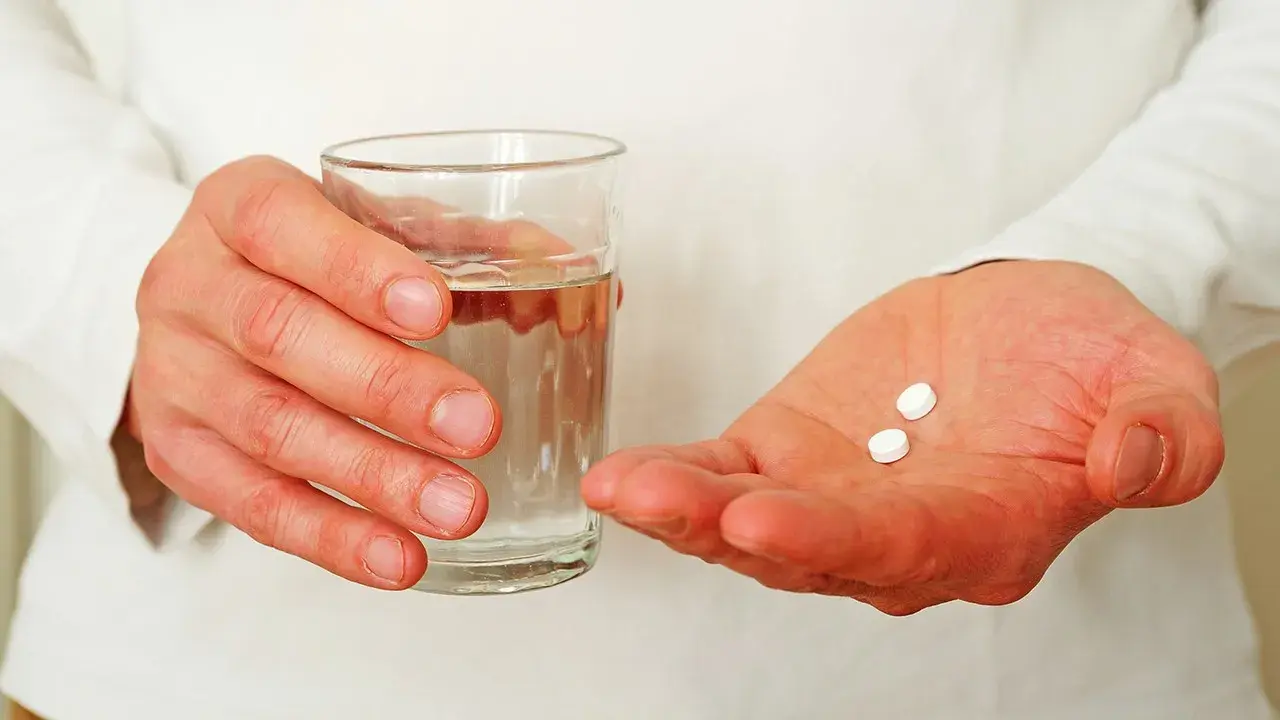
While rhodiola rosea extract powder is generally considered safe for most individuals, it's essential to be aware of potential interactions and precautions. Rhodiola may interact with certain medications, particularly those affecting blood sugar levels or blood pressure. Individuals with bipolar disorder should exercise caution, as rhodiola could potentially trigger manic episodes. As with any supplement, it's advisable to consult with a healthcare professional before incorporating rhodiola into your wellness routine, especially if you have pre-existing health conditions or are taking medications.
Conclusion
Rhodiola rosea extract powder shows promising potential for improving energy levels through its adaptogenic properties and influence on stress response mechanisms. Scientific evidence supports its ability to reduce fatigue, enhance cognitive function, and boost overall vitality. While individual responses may vary, many users report significant improvements in energy and resilience when incorporating rhodiola into their daily routines. As with any supplement, proper dosing, timing, and consideration of individual health factors are crucial for maximizing benefits and ensuring safety.
Contact Us
If you're interested in learning more about high-quality rhodiola rosea extract powder and its potential benefits, we invite you to reach out to our team of experts. Contact us at Jessica@xazbbio.com for personalized guidance and information on our premium herbal extracts.
References
1. Panossian, A., Wikman, G., & Sarris, J. (2010). Rosenroot (Rhodiola rosea): Traditional use, chemical composition, pharmacology and clinical efficacy. Phytomedicine, 17(7), 481-493.
2. Olsson, E. M., von Schéele, B., & Panossian, A. G. (2009). A randomised, double-blind, placebo-controlled, parallel-group study of the standardised extract SHR-5 of the roots of Rhodiola rosea in the treatment of subjects with stress-related fatigue. Planta Medica, 75(02), 105-112.
3. Darbinyan, V., Kteyan, A., Panossian, A., Gabrielian, E., Wikman, G., & Wagner, H. (2000). Rhodiola rosea in stress induced fatigue—A double blind cross-over study of a standardized extract SHR-5 with a repeated low-dose regimen on the mental performance of healthy physicians during night duty. Phytomedicine, 7(5), 365-371.
4. Ishaque, S., Shamseer, L., Bukutu, C., & Vohra, S. (2012). Rhodiola rosea for physical and mental fatigue: a systematic review. BMC Complementary and Alternative Medicine, 12(1), 1-9.
5. Hung, S. K., Perry, R., & Ernst, E. (2011). The effectiveness and efficacy of Rhodiola rosea L.: A systematic review of randomized clinical trials. Phytomedicine, 18(4), 235-244.
6. Brown, R. P., Gerbarg, P. L., & Ramazanov, Z. (2002). Rhodiola rosea: A phytomedicinal overview. HerbalGram, 56, 40-52.

Send Inquiry
Related Industry Knowledge
- Can Saw Palmetto Powder Help Stop Hair Loss?
- What is Rhodiola Rosea Extract Powder?
- Astaxanthin Powder: Benefits and Uses
- Can You Take Coenzyme Q10 With Fish Oil?
- Does Hydroquinone Have Side Effects?
- What Is Retinol Used For?
- Is Phenibut Safe?
- How To Make Quinine Water?
- Is Potassium Iodide A Strong Electrolyte?
- What Is Diosgenin Used For?