
How Glabridin Powder Works for Hyperpigmentation
2025-06-23 16:39:17
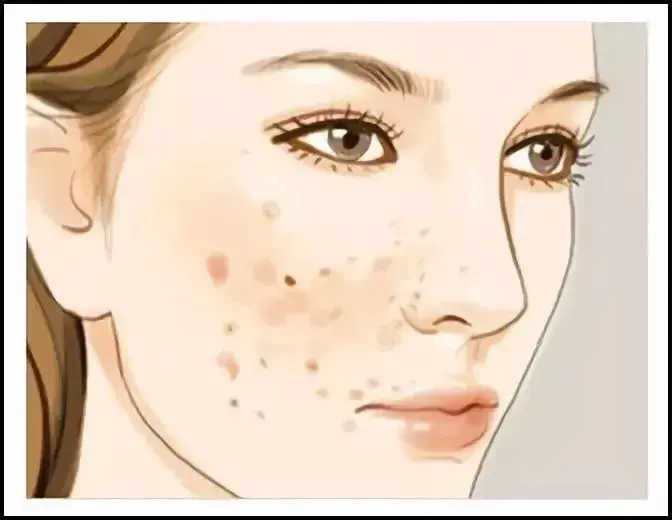
Glabridin powder, derived from licorice root extract, has emerged as a potent solution for hyperpigmentation. This natural compound works by inhibiting tyrosinase, the enzyme responsible for melanin production. By reducing melanin synthesis, glabridin effectively lightens dark spots and evens out skin tone. Its antioxidant properties also protect the skin from further damage, preventing new hyperpigmentation. Additionally, glabridin's anti-inflammatory effects help soothe irritated skin, making it suitable for sensitive skin types. As a result, incorporating glabridin powder into skincare routines can lead to a more radiant, uniform complexion over time.
The Mechanism of Glabridin in Skin Lightening
Tyrosinase Inhibition: The Key to Melanin Reduction
Glabridin powder's primary mechanism in combating hyperpigmentation lies in its ability to inhibit tyrosinase. This enzyme plays a crucial role in melanin synthesis, the pigment responsible for skin color. By blocking tyrosinase activity, glabridin effectively reduces melanin production, leading to lighter skin tone and faded dark spots. Research has shown that glabridin extract can inhibit tyrosinase activity by up to 50%, making it one of the most potent natural skin-lightening agents available.
Antioxidant Properties: Protecting Against Further Damage
Beyond its tyrosinase-inhibiting effects, glabridin powder boasts impressive antioxidant properties. These antioxidants help protect the skin from free radical damage caused by UV radiation and environmental pollutants. By neutralizing these harmful molecules, glabridin prevents oxidative stress that can trigger melanin overproduction. This dual action of melanin reduction and skin protection makes glabridin an effective long-term solution for hyperpigmentation.
Anti-inflammatory Effects: Soothing Irritated Skin
Glabridin extract also exhibits potent anti-inflammatory properties, which contribute to its efficacy in treating hyperpigmentation. Inflammation can exacerbate skin discoloration and lead to post-inflammatory hyperpigmentation. By calming irritated skin, glabridin helps prevent the development of new dark spots and promotes overall skin health. This soothing effect makes glabridin powder particularly beneficial for those with sensitive or reactive skin types prone to inflammation-induced pigmentation issues.

Best Practices for Treating Dark Spots with Glabridin
Proper Concentration and Application
To maximize the benefits of glabridin powder for hyperpigmentation treatment, it's essential to use the correct concentration and apply it properly. Most skincare products containing glabridin extract typically use concentrations ranging from 0.1% to 1%. Higher concentrations may be more effective but can also increase the risk of skin irritation. It's advisable to start with a lower concentration and gradually increase as your skin adapts. Apply glabridin-containing products to clean, dry skin, focusing on areas with hyperpigmentation. For optimal results, use the product consistently twice daily, in the morning and evening.
Combining with Sun Protection
While glabridin powder can effectively lighten existing dark spots, it's crucial to prevent new hyperpigmentation from forming. Sun exposure is a primary cause of skin darkening, so combining glabridin treatment with diligent sun protection is essential. Always apply a broad-spectrum sunscreen with at least SPF 30 after using glabridin-based products during the day. Additionally, seek shade and wear protective clothing when outdoors to minimize UV exposure. This comprehensive approach will enhance the efficacy of glabridin in achieving a more even skin tone.
Patience and Consistency in Treatment
Treating hyperpigmentation with glabridin powder requires patience and consistency. While some users may notice initial improvements within a few weeks, significant results typically take 2-3 months of regular use. It's important to maintain a consistent skincare routine and avoid skipping applications. Take progress photos at regular intervals to track improvements, as gradual changes can be difficult to perceive day-to-day. Remember that everyone's skin responds differently, so results may vary. If you don't see improvements after 3-4 months of consistent use, consult a dermatologist to explore alternative or complementary treatments.

Combining Glabridin with Other Skincare Ingredients
Synergistic Effects with Vitamin C
Combining glabridin powder with vitamin C can create a powerful synergy for treating hyperpigmentation. Vitamin C, like glabridin, inhibits tyrosinase and provides antioxidant protection. When used together, these ingredients can enhance each other's skin-lightening effects. Additionally, vitamin C promotes collagen production, improving overall skin texture and firmness. To incorporate both ingredients into your routine, apply a vitamin C serum in the morning, followed by a glabridin-containing product. This combination not only targets hyperpigmentation but also provides comprehensive skin brightening and anti-aging benefits.
Enhancing Results with Niacinamide
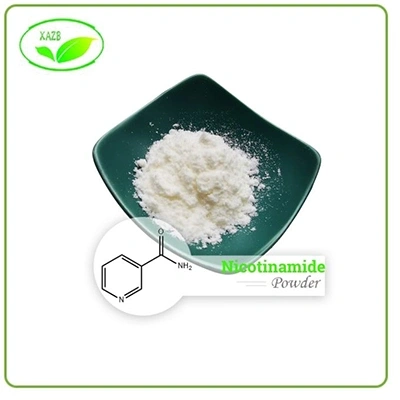
Niacinamide, also known as vitamin B3, is another excellent ingredient to pair with glabridin for hyperpigmentation treatment. Niacinamide works by inhibiting the transfer of melanin to skin cells, complementing glabridin's action on melanin production. Moreover, niacinamide strengthens the skin barrier, reduces inflammation, and regulates sebum production. These additional benefits make the glabridin-niacinamide combination particularly suitable for those with oily or acne-prone skin struggling with post-inflammatory hyperpigmentation. Look for products that contain both ingredients or layer them separately in your skincare routine.
Boosting Efficacy with Alpha Hydroxy Acids (AHAs)
Incorporating alpha hydroxy acids (AHAs) into your glabridin-based skincare routine can significantly enhance its hyperpigmentation-fighting abilities. AHAs, such as glycolic or lactic acid, exfoliate the skin's surface, removing dead skin cells that can contribute to a dull, uneven complexion. This exfoliation process allows glabridin to penetrate more effectively into the skin, maximizing its lightening effects. However, it's important to introduce AHAs gradually to avoid irritation. Start with a low concentration AHA product once or twice a week, and slowly increase frequency as your skin tolerates it. Always follow up with sunscreen, as AHAs can increase sun sensitivity.
Conclusion
Glabridin powder stands out as a potent natural solution for hyperpigmentation, offering multiple benefits through its tyrosinase inhibition, antioxidant protection, and anti-inflammatory properties. By understanding its mechanism of action and following best practices for application, individuals can effectively harness glabridin's skin-lightening potential. Combining glabridin with complementary ingredients like vitamin C, niacinamide, and AHAs can further enhance its efficacy in achieving a more even, radiant complexion. As with any skincare regimen, consistency, patience, and sun protection are key to seeing optimal results in the journey towards clearer, more uniform skin tone.
Contact Us
Ready to experience the transformative effects of glabridin powder on your skin? Contact Xi'an ZB Biotech today at Jessica@xazbbio.com to learn more about our high-quality glabridin extract and how it can be incorporated into your skincare products or personal care routine. Take the first step towards a more radiant, even-toned complexion with our premium glabridin powder.
References
1. Yokota, T., Nishio, H., Kubota, Y., & Mizoguchi, M. (1998). The inhibitory effect of glabridin from licorice extracts on melanogenesis and inflammation. Pigment Cell Research, 11(6), 355-361.
2. Nerya, O., Vaya, J., Musa, R., Izrael, S., Ben-Arie, R., & Tamir, S. (2003). Glabrene and isoliquiritigenin as tyrosinase inhibitors from licorice roots. Journal of Agricultural and Food Chemistry, 51(5), 1201-1207.
3. Hollinger, J. C., Angra, K., & Halder, R. M. (2018). Are natural ingredients effective in the management of hyperpigmentation? A systematic review. The Journal of Clinical and Aesthetic Dermatology, 11(2), 28-37.
4. Kolbe, L., Immeyer, J., Batzer, J., Wensorra, U., Tom Dieck, K., Mundt, C., ... & Acker, T. (2006). Anti-inflammatory efficacy of licochalcone A: correlation of clinical potency and in vitro effects. Archives of Dermatological Research, 298(1), 23-30.
5. Simmler, C., Pauli, G. F., & Chen, S. N. (2013). Phytochemistry and biological properties of glabridin. Fitoterapia, 90, 160-184.
6. Petit, L., & Piérard, G. E. (2003). Skin-lightening products revisited. International Journal of Cosmetic Science, 25(4), 169-181.

Send Inquiry
Related Industry Knowledge
- D Aspartic Acid Powder: A Bodybuilder's Guide
- Top Uses of Glabridin Powder in Skincare
- What’s the Difference Between Omega-3 and Omega-3 Fish Oil?
- Is Xanthan Gum Powder Safe?
- What is GHK-Cu used for?
- How Much Pterostilbene In Blueberries?
- Can Cats Take Melatonin?
- Is Potassium Iodide A Strong Electrolyte?
- Can Resveratrol Lower Cholesterol?
- What Is The Best Moisturizing Cosmetic Material In Nature?