
Magnesium Glycinate Powder: Dosage and Safety
2025-07-16 17:01:14
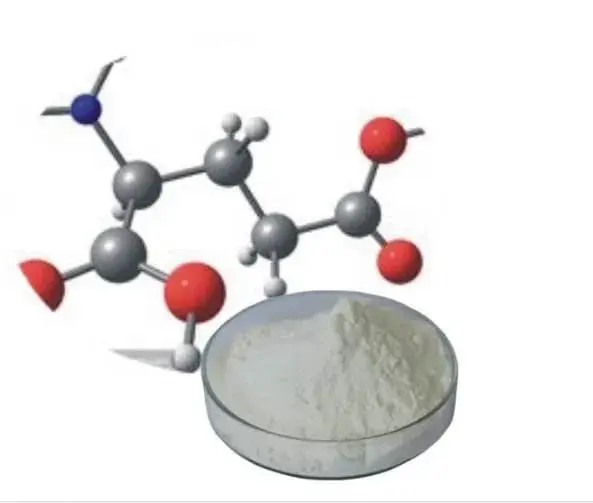
Magnesium glycinate powder is a popular supplement known for its high bioavailability and gentle effect on the digestive system. This form of magnesium combines the essential mineral with the amino acid glycine, offering potential benefits for sleep, mood, and overall health. When it comes to dosage and safety, it's crucial to understand proper usage to maximize benefits while minimizing risks. Generally, adults can safely consume 200-400mg of elemental magnesium from magnesium glycinate powder daily, divided into smaller doses. However, individual needs may vary based on factors such as age, health status, and dietary intake. Always consult with a healthcare professional before starting any new supplement regimen, especially if you have pre-existing health conditions or are taking medications.
Recommended Daily Dosage for Adults
Understanding Elemental Magnesium
When determining the appropriate dosage of magnesium glycinate powder, it's essential to focus on the amount of elemental magnesium rather than the total weight of the powder. Elemental magnesium refers to the actual magnesium content in the supplement, which is typically lower than the total weight due to the glycine component. For example, a product labeled as 1000mg of magnesium glycinate may contain only about 140mg of elemental magnesium.
General Dosage Guidelines
The recommended dietary allowance (RDA) for magnesium varies by age and gender. For adult men, it ranges from 400-420mg per day, while for adult women, it's 310-320mg daily. However, when supplementing with magnesium glycinate powder, most healthcare professionals suggest starting with a lower dose and gradually increasing it to avoid potential digestive discomfort. A common starting dose is 200mg of elemental magnesium per day, which can be increased to 400mg if needed and tolerated well.
Factors Affecting Dosage
Several factors can influence the optimal dosage of magnesium glycinate powder for an individual. These include:
- Age and gender
- Body weight
- Dietary magnesium intake
- Existing health conditions
- Medications
- Stress levels
- Physical activity
Given these variables, it's crucial to work with a healthcare provider to determine the most appropriate dosage for your specific needs.

Safety Tips for Using Magnesium Glycinate Powder
Quality Assurance
When purchasing magnesium glycinate bulk powder, it's paramount to choose a reputable supplier. Look for products that have been third-party tested for purity and potency. Reputable manufacturers will provide certificates of analysis and clearly state the elemental magnesium content on their labels. This ensures you're getting a high-quality product free from contaminants and accurately dosed.
Proper Storage and Handling
To maintain the efficacy and safety of your magnesium glycinate powder, store it in a cool, dry place away from direct sunlight. Keep the container tightly sealed when not in use to prevent moisture absorption. Use clean, dry utensils when measuring the powder to avoid introducing contaminants. If you notice any changes in color, smell, or texture, discontinue use and consult the manufacturer.
Interactions and Precautions
While magnesium glycinate bulk powder is generally well-tolerated, it can interact with certain medications and health conditions. Be cautious if you're taking:
- Antibiotics
- Bisphosphonates
- Diuretics
- Proton pump inhibitors
Additionally, individuals with kidney problems should consult their doctor before using magnesium supplements, as impaired kidney function can lead to magnesium accumulation in the body.
Common Side Effects and How to Avoid Them
Digestive Discomfort
The most common side effect of magnesium supplementation is digestive upset, which may include diarrhea, nausea, or abdominal cramping. To minimize these effects:
- Start with a low dose and gradually increase
- Take magnesium with food
- Divide your daily dose into smaller amounts throughout the day
- Stay hydrated
If digestive issues persist, consider lowering your dose or consulting with your healthcare provider.
Magnesium Toxicity
While rare, excessive magnesium glycinate powder intake can lead to magnesium toxicity, particularly in individuals with impaired kidney function. Symptoms of magnesium toxicity may include:
- Muscle weakness
- Difficulty breathing
- Irregular heartbeat
- Low blood pressure
To avoid this, never exceed the recommended dosage without medical supervision and be aware of your total magnesium intake from all sources, including diet and other supplements.
Nutrient Interactions
Magnesium can interact with the absorption of other nutrients, particularly calcium and iron. To optimize absorption and avoid potential deficiencies:
- Take magnesium supplements at least two hours apart from other mineral supplements
- Consider taking magnesium before bed, as it may have a calming effect and can support sleep quality
- Be mindful of your overall nutrient balance, especially if you're taking multiple supplements
Regular blood tests can help monitor your nutrient levels and ensure you're maintaining a healthy balance.
Conclusion
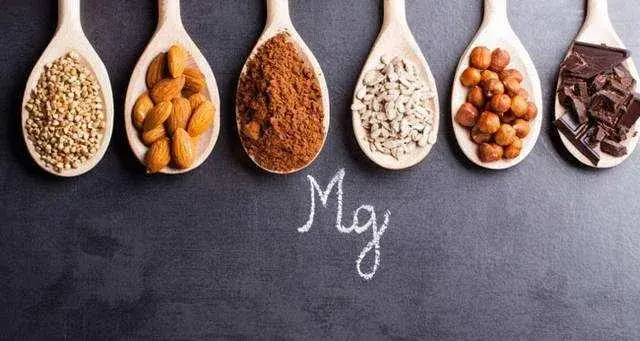
Magnesium glycinate powder offers a highly bioavailable form of this essential mineral, with potential benefits for various aspects of health. By understanding proper dosage guidelines, prioritizing safety measures, and being aware of potential side effects, you can maximize the benefits of this supplement while minimizing risks. Remember that individual needs vary, and what works for one person may not be optimal for another. Always consult with a healthcare professional before starting any new supplement regimen, especially if you have pre-existing health conditions or are taking medications. With careful consideration and proper use, magnesium glycinate powder can be a valuable addition to your health and wellness routine.
Contact Us
Are you interested in high-quality magnesium glycinate bulk powder for your supplement needs? Contact Xi'an ZB Biotech today for more information on our premium products and how we can support your health goals. Reach out to us at Jessica@xazbbio.com to learn more about our magnesium glycinate powder and other herbal extracts and API powders.
References
1. Schwalfenberg GK, Genuis SJ. The Importance of Magnesium in Clinical Healthcare. Scientifica (Cairo). 2017;2017:4179326.
2. Guerrera MP, Volpe SL, Mao JJ. Therapeutic uses of magnesium. Am Fam Physician. 2009 Jul 15;80(2):157-62.
3. Gröber U, Schmidt J, Kisters K. Magnesium in Prevention and Therapy. Nutrients. 2015 Sep 23;7(9):8199-226.
4. DiNicolantonio JJ, O'Keefe JH, Wilson W. Subclinical magnesium deficiency: a principal driver of cardiovascular disease and a public health crisis. Open Heart. 2018 Jan 13;5(1):e000668.
5. Kirkland AE, Sarlo GL, Holton KF. The Role of Magnesium in Neurological Disorders. Nutrients. 2018 Jun 6;10(6):730.
6. Razzaque MS. Magnesium: Are We Consuming Enough? Nutrients. 2018 Dec 2;10(12):1863.

Send Inquiry
Related Industry Knowledge
- The Anti-Aging Power of Pterostilbene Powder
- What is Pure Alpha Arbutin Powder?
- Vitamin B6 Powder: The Ultimate Guide to Health Benefits
- Garcinia Cambogia vs. Other Weight Loss Supplements
- Can Women Use Turkesterone Powder?
- What’s the Difference Between Omega-3 and Omega-3 Fish Oil?
- Is D Panthenol Good for the Face?
- How Much Pterostilbene In Blueberries?
- Does Tranexamic Acid Cause Purging?
- Is Alpha Arbutin an AHA?