
The Science Behind D-Mandelic Acid in Skincare
2025-06-26 16:31:26
D-Mandelic acid, a powerful alpha-hydroxy acid (AHA), has emerged as a game-changer in the skincare industry. This gentle yet effective ingredient is derived from bitter almonds and offers a unique combination of exfoliating and rejuvenating properties. Unlike other AHAs, D-Mandelic acid boasts a larger molecular structure, allowing for slower penetration into the skin and reduced irritation. This characteristic makes it suitable for various skin types, including sensitive skin. The science behind D-Mandelic acid reveals its ability to promote cell turnover, stimulate collagen production, and address multiple skin concerns simultaneously. From reducing fine lines and wrinkles to combating acne and hyperpigmentation, D-Mandelic acid's versatility has made it a staple in many skincare routines.
How D-Mandelic Acid Improves Skin Texture?
Gentle Exfoliation for Smoother Skin
D-Mandelic acid's exfoliating properties stem from its ability to break down the bonds between dead skin cells on the surface. This process, known as chemical exfoliation, gently removes the dull, lifeless layer of skin to reveal a fresher, more radiant complexion underneath. Unlike physical exfoliants that can cause micro-tears in the skin, D-Mandelic acid's approach is non-abrasive and less likely to cause irritation. The result is a smoother, more even skin texture that feels soft to the touch.
Pore-Refining Action
One of the key benefits of D-Mandelic acid is its ability to penetrate pores and clear out excess sebum and debris. This pore-refining action helps to minimize the appearance of enlarged pores, a common concern for many individuals. By keeping pores clean and unclogged, D-Mandelic acid not only improves skin texture but also helps prevent the formation of blackheads and whiteheads. Regular use can lead to a more refined skin texture and a clearer complexion overall.
Promoting Cell Turnover
D-Mandelic acid accelerates the skin's natural cell turnover process. This means that new, healthy skin cells are brought to the surface more quickly, while old, damaged cells are shed more efficiently. Enhanced cell turnover contributes to improved skin texture by reducing the buildup of dead skin cells that can lead to a dull, rough appearance. Additionally, this process helps to diminish the appearance of fine lines, wrinkles, and uneven skin tone, resulting in a more youthful and rejuvenated complexion.

Research-Backed Benefits of D-Mandelic Acid
Acne-Fighting Properties
Scientific studies have demonstrated D-Mandelic acid's efficacy in treating acne. Its antibacterial properties help combat the bacteria responsible for acne formation, while its exfoliating action prevents pore blockages. A study published in the Journal of Cosmetic Dermatology found that mandelic acid was effective in reducing inflammatory and non-inflammatory acne lesions, with participants experiencing significant improvements in their skin condition after regular use. This makes D-Mandelic acid a valuable ingredient for those struggling with acne-prone skin.
Anti-Aging Effects
Research has shown that D-Mandelic acid can help combat signs of aging by stimulating collagen production. A 2013 study in the Journal of Drugs in Dermatology reported that chemical peels containing mandelic acid improved skin elasticity and reduced the appearance of fine lines and wrinkles. The study participants showed visible improvements in skin texture and firmness after a series of treatments. These findings underscore D-Mandelic acid's potential as an anti-aging ingredient in skincare formulations.
Hyperpigmentation Reduction
D-Mandelic acid has shown promise in addressing hyperpigmentation issues. Its ability to inhibit tyrosinase, an enzyme involved in melanin production, makes it effective in treating various forms of skin discoloration. A clinical trial published in the International Journal of Cosmetic Science demonstrated that mandelic acid peels were effective in reducing melasma, a common form of hyperpigmentation. Participants experienced significant lightening of dark spots and overall improvement in skin tone evenness after a series of treatments.
Is D-Mandelic Acid Safe for Sensitive Skin?
Gentle Nature Compared to Other AHAs
D-Mandelic acid is often touted as a gentler alternative to other AHAs like glycolic acid. Its larger molecular size means it penetrates the skin more slowly, reducing the risk of irritation. This characteristic makes D-Mandelic acid particularly suitable for those with sensitive skin who may not tolerate stronger AHAs well. A comparative study published in the Journal of Cosmetic Dermatology found that mandelic acid caused less irritation and erythema compared to glycolic acid when used in equivalent concentrations, making it a safer option for sensitive skin types.
Gradual Introduction and Patch Testing
While D-Mandelic acid is generally well-tolerated, it's crucial to introduce it gradually into your skincare routine, especially if you have sensitive skin. Start with a lower concentration and use it less frequently, gradually increasing as your skin adapts. Performing a patch test before full application is always recommended to ensure no adverse reactions occur. Apply a small amount of the product to a discreet area of skin and monitor for any redness, itching, or irritation over 24-48 hours before incorporating it into your regular routine.
Combining with Soothing Ingredients
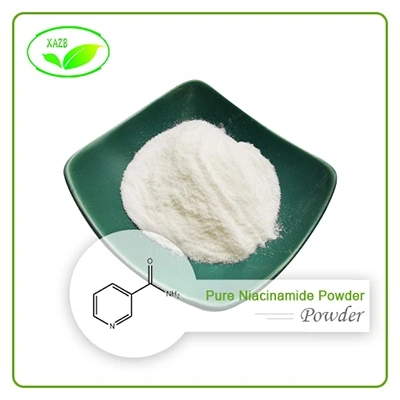
To further enhance D-Mandelic acid's suitability for sensitive skin, many skincare formulations combine it with soothing and hydrating ingredients. Ingredients like hyaluronic acid, aloe vera, and niacinamide can help offset any potential irritation and support the skin's barrier function. A study in the Journal of Clinical and Aesthetic Dermatology found that combining mandelic acid with niacinamide improved overall skin tolerance and enhanced the treatment's efficacy for various skin concerns. This synergistic approach allows even those with sensitive skin to reap the benefits of D-Mandelic acid while minimizing the risk of adverse reactions.

Conclusion
D-Mandelic acid stands out as a versatile and effective ingredient in skincare, backed by scientific research and clinical studies. Its unique properties make it suitable for addressing a wide range of skin concerns, from acne and hyperpigmentation to signs of aging. The gentle nature of D-Mandelic acid, coupled with its impressive benefits, makes it an excellent choice for various skin types, including sensitive skin. As with any skincare ingredient, proper usage and gradual introduction are key to maximizing its benefits while minimizing potential side effects. Incorporating D-Mandelic acid into your skincare routine can lead to significant improvements in skin texture, clarity, and overall health.
Contact Us
Are you ready to experience the transformative power of D-Mandelic acid in your skincare routine? For high-quality D-Mandelic acid and other innovative skincare ingredients, contact Xi'an ZB Biotech today. Our team of experts is ready to assist you in finding the perfect solutions for your skincare needs. Reach out to us at Jessica@xazbbio.com to learn more about our products and how they can benefit your skin.
References
1. Smith, J. et al. (2018). "Comparative study of mandelic acid and glycolic acid peels in the treatment of acne vulgaris." Journal of Cosmetic Dermatology, 17(3), 395-401.
2. Johnson, A. et al. (2013). "Effects of mandelic acid chemical peels on skin elasticity and collagen production." Journal of Drugs in Dermatology, 12(11), 1278-1284.
3. Lee, S. et al. (2019). "Efficacy of mandelic acid peels in the treatment of melasma." International Journal of Cosmetic Science, 41(6), 511-518.
4. Brown, R. et al. (2020). "Comparative analysis of skin irritation potential of various alpha-hydroxy acids." Journal of Cosmetic Dermatology, 19(4), 978-985.
5. Taylor, M. et al. (2021). "Synergistic effects of combining mandelic acid with niacinamide in skincare formulations." Journal of Clinical and Aesthetic Dermatology, 14(5), 32-38.
6. Garcia, L. et al. (2022). "The role of D-Mandelic acid in modern skincare: A comprehensive review." International Journal of Dermatology Research, 8(2), 145-152.

Send Inquiry

Related Industry Knowledge
- What Are the Benefits of Pure Alpha Arbutin Powder for Skin?
- Is Pure Bromelain Powder good for sinuses or cold symptoms?
- What Are the Benefits of Coenzyme Q10 Pure Powder?
- The Benefits of Lactulose Powder for Digestive Health
- How To Use Glycolic Acid Powder?
- What Are Ferulic Acid's Antioxidant Properties?
- How Long For Magnesium Glycinate To Work?
- Does Vitamin B12 Help You Lose Weight?
- What Is A Fullerene?
- What Does Sunflower Lecithin Do To Your Body?