
Unlocking the Antioxidant Power of Panax Notoginseng Powder
2025-08-07 16:51:29
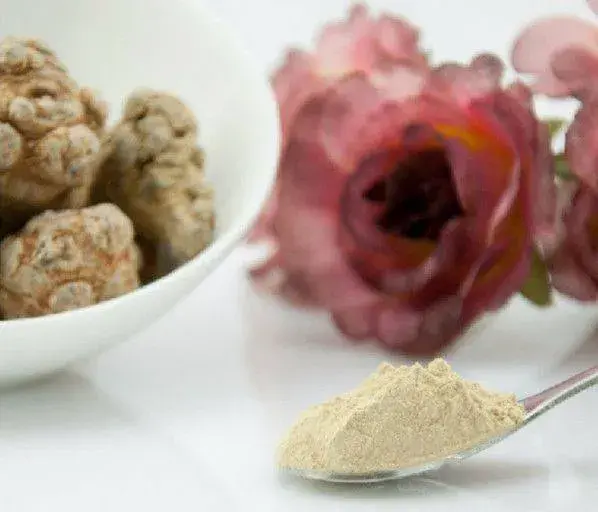
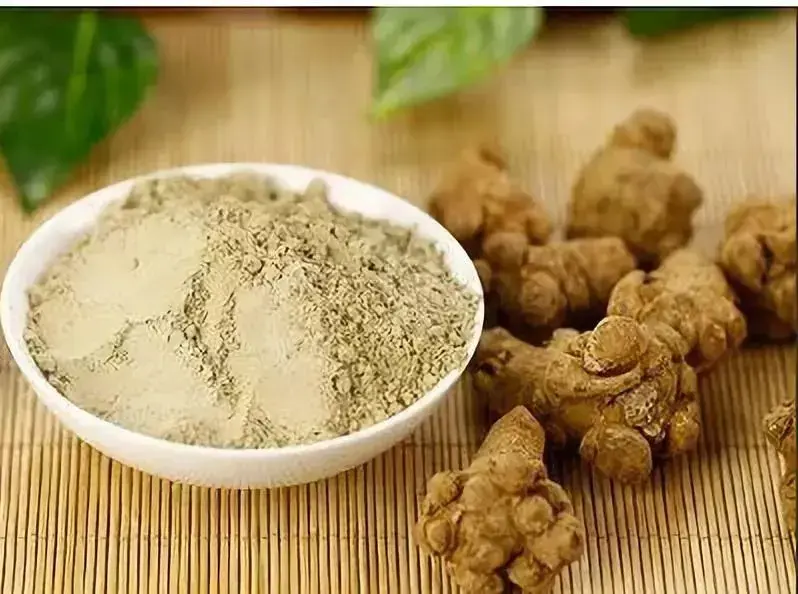
Panax notoginseng powder, derived from the roots of the Panax notoginseng plant, has gained significant attention in the world of natural health supplements due to its remarkable antioxidant properties. This powerful herb, native to the mountainous regions of Southwest China, has been used in traditional Chinese medicine for centuries. Today, modern research is uncovering the scientific basis behind its antioxidant prowess. Panax notoginseng powder contains a rich array of bioactive compounds, including saponins, flavonoids, and polysaccharides, which work synergistically to combat oxidative stress and protect cells from damage. By neutralizing harmful free radicals and supporting the body's natural defense mechanisms, this potent powder offers a multitude of potential health benefits, from supporting cardiovascular health to enhancing cognitive function.
Which Antioxidants Are Present in Panax Notoginseng?
Saponins: The Powerhouse Compounds
Panax notoginseng powder is renowned for its high concentration of saponins, particularly ginsenosides and notoginsenosides. These unique triterpenoid saponins are responsible for many of the herb's antioxidant effects. Ginsenosides Rb1, Rg1, and Rd are among the most abundant and well-studied saponins in Panax notoginseng. Research has shown that these compounds possess potent free radical scavenging abilities, helping to neutralize reactive oxygen species (ROS) and prevent oxidative damage to cellular structures.
Flavonoids: Nature's Colorful Defenders
Flavonoids represent another crucial class of antioxidants found in Panax notoginseng powder. These plant-based compounds, which include quercetin, kaempferol, and isorhamnetin, contribute to the herb's overall antioxidant capacity. Flavonoids are known for their ability to chelate metal ions, inhibit lipid peroxidation, and directly scavenge free radicals. The diverse array of flavonoids in Panax notoginseng powder works in concert to provide comprehensive antioxidant protection.
Polyphenols: Versatile Antioxidant Allies
Polyphenols, a broader category of plant-based compounds that includes flavonoids, are also present in significant quantities in Panax notoginseng powder. These compounds, such as gallic acid and ferulic acid, contribute to the herb's antioxidant properties through various mechanisms. Polyphenols can act as reducing agents, hydrogen donors, and singlet oxygen quenchers, effectively neutralizing a wide range of free radicals and reactive species.
Free Radical Scavenging and Cellular Defense Mechanisms
Direct Neutralization of Reactive Species
One of the primary ways Panax notoginseng powder exerts its antioxidant effects is through direct scavenging of free radicals and reactive oxygen species. The bioactive compounds in the powder, particularly saponins and flavonoids, can donate electrons or hydrogen atoms to unstable molecules, effectively neutralizing them before they can cause damage to cellular structures. This direct action helps prevent oxidative stress and maintains the delicate balance between pro-oxidants and antioxidants in the body.
Enhancing Endogenous Antioxidant Systems
Beyond direct scavenging, Panax notoginseng powder also supports the body's innate antioxidant defenses. Research has shown that compounds in the powder can upregulate the expression and activity of endogenous antioxidant enzymes such as superoxide dismutase (SOD), catalase (CAT), and glutathione peroxidase (GPx). By boosting these natural defense mechanisms, Panax notoginseng powder helps create a more robust cellular environment capable of withstanding oxidative challenges.
Modulation of Redox Signaling Pathways
The antioxidant effects of Panax notoginseng powder extend to the molecular level, where its bioactive compounds can influence redox-sensitive signaling pathways. Studies have demonstrated that ginsenosides and other constituents can modulate the activity of transcription factors such as Nuclear factor erythroid 2-related factor 2 (Nrf2), which plays a crucial role in regulating the expression of antioxidant and detoxifying enzymes. By activating these pathways, Panax notoginseng powder helps orchestrate a coordinated cellular response to oxidative stress.
Synergistic Effects with Other Phytochemicals
Complementary Antioxidant Actions
The diverse array of antioxidant compounds in Panax notoginseng powder creates a synergistic effect that enhances overall antioxidant capacity. Different classes of phytochemicals can target various types of free radicals and reactive species, providing comprehensive protection against oxidative damage. For example, while saponins may excel at neutralizing certain types of ROS, flavonoids might be more effective against others. This complementary action ensures a broad spectrum of antioxidant defense.
Enhancement of Bioavailability and Absorption
The complex matrix of compounds in Panax notoginseng powder can also influence the bioavailability and absorption of individual antioxidants. Some phytochemicals may act as natural enhancers, improving the absorption and utilization of other beneficial compounds. This synergistic effect maximizes the potential health benefits of the powder by ensuring that a higher proportion of its antioxidant constituents are effectively absorbed and utilized by the body.
Mitigation of Pro-oxidant Effects
While antioxidants are generally beneficial, some compounds can exhibit pro-oxidant effects under certain conditions. The diverse composition of Panax notoginseng powder helps mitigate these potential negative effects. Different antioxidants can work together to regenerate each other, prevent unwanted oxidation reactions, and maintain a balanced redox environment. This intricate interplay of phytochemicals contributes to the overall safety and efficacy of Panax notoginseng powder as an antioxidant supplement.
Conclusion
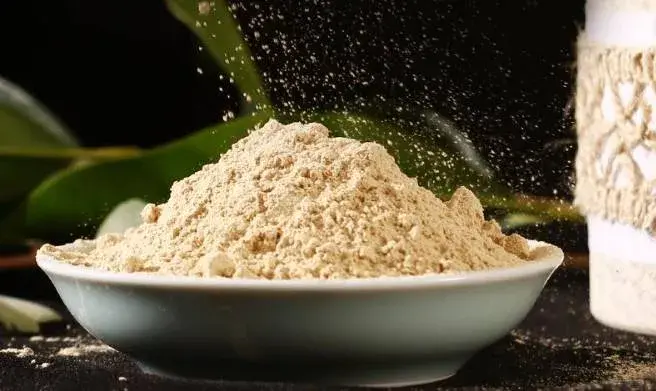
Panax notoginseng powder stands out as a potent source of natural antioxidants, offering a multifaceted approach to combating oxidative stress and promoting cellular health. Its rich array of bioactive compounds, including saponins, flavonoids, and polyphenols, work synergistically to neutralize free radicals, enhance endogenous antioxidant systems, and modulate redox signaling pathways. The complex interplay of these phytochemicals creates a powerful antioxidant effect that goes beyond simple free radical scavenging. As research continues to unravel the intricate mechanisms behind Panax notoginseng's antioxidant properties, this ancient herb remains a promising ally in the quest for optimal health and longevity.
Contact Us
To learn more about our high-quality Panax notoginseng powder and how it can benefit your health or product formulations, please contact us at Jessica@xazbbio.com. Our team of experts is ready to answer your questions and provide you with the information you need to make informed decisions about incorporating this powerful antioxidant into your wellness routine or product line.
References
1. Wang, T., et al. (2016). Ginsenosides in Panax notoginseng: Chemistry, biosynthesis, and pharmacological activities. Journal of Ethnopharmacology, 181, 262-291.
2. Liang, X., et al. (2018). Antioxidant and anti-inflammatory activities of Panax notoginseng root and its main bioactive components. Journal of Agricultural and Food Chemistry, 66(32), 8385-8392.
3. Yang, X., et al. (2014). Panax notoginseng saponins attenuate atherosclerosis by regulating the blood lipid profile and an anti-inflammatory action. Clinical and Experimental Pharmacology and Physiology, 41(9), 715-723.
4. Sun, K., et al. (2015). Antioxidant activities of Panax notoginseng flower polysaccharides and their effects on human endothelial cells. Carbohydrate Polymers, 123, 283-289.
5. Xie, J. T., et al. (2005). Antioxidant properties of ginsenosides isolated from Panax notoginseng. Life Sciences, 77(26), 3311-3322.
6. Chen, S., et al. (2019). Ginsenosides: A potential neuroprotective agent. Biomedicine & Pharmacotherapy, 117, 109047.

Send Inquiry
.webp "Fullerene Powder")
Related Industry Knowledge
- How Glabridin Powder Works for Hyperpigmentation
- The Benefits of Lactulose Powder for Digestive Health
- Alpha-Lipoic Acid Powder Benefits
- What is Allantoin Powder Used For?
- What Are the Benefits of Nicotinamide Powder?
- Does Omega 3 Fish Oil Lower Cholesterol?
- Is Xanthan Gum Safe For Skin?
- What Do Omega 3 Fish Oils Do?
- Does Phenibut Show On Drug Test?
- Can You Give a Cat Melatonin?