
What is Rhodiola Rosea Extract Powder Good For?
2025-07-24 14:58:08
Rhodiola rosea extract powder is a versatile and potent natural supplement derived from the root of the Rhodiola rosea plant. This adaptogenic herb has been used for centuries in traditional medicine and is now gaining recognition for its numerous health benefits. Rhodiola rosea extract powder is primarily known for its ability to combat fatigue, enhance cognitive function, reduce stress and anxiety, boost physical performance, and support overall well-being. Its unique blend of bioactive compounds, including rosavins and salidroside, work synergistically to help the body adapt to various stressors, both physical and mental. Whether you're looking to improve your mental clarity, increase your energy levels, or enhance your body's resilience to stress, Rhodiola rosea extract powder offers a natural and effective solution.
Origin and Active Compounds of Rhodiola Rosea
Historical Use and Cultural Significance
Rhodiola rosea, also known as "golden root" or "arctic root," has a rich history of use in traditional medicine systems across Europe and Asia. This hardy perennial plant thrives in cold, mountainous regions, including parts of Siberia, Scandinavia, and the Arctic. For centuries, indigenous populations have revered Rhodiola for its ability to enhance physical endurance, mental performance, and overall vitality.
Botanical Characteristics and Habitat
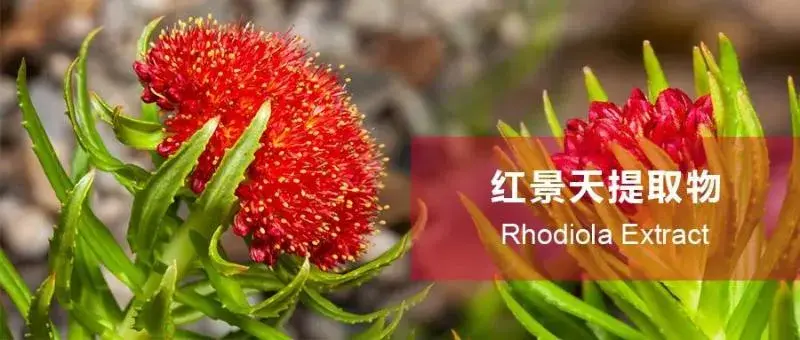
Rhodiola rosea belongs to the Crassulaceae family and is characterized by its thick, succulent-like leaves and clusters of yellow flowers. The plant's ability to withstand harsh environmental conditions is a testament to its resilience and adaptogenic properties. It typically grows at high altitudes, often found clinging to rocky outcrops and cliff faces in some of the world's most inhospitable regions.
Key Bioactive Compounds
The exceptional benefits of Rhodiola rosea extract powder can be attributed to its unique phytochemical profile. The root contains over 140 active compounds, with the most significant being:
Rosavins (rosavin, rosin, and rosarin): These phenylpropanoid compounds are considered the primary active ingredients and are unique to Rhodiola rosea.
Salidroside: A potent antioxidant and adaptogenic compound that contributes significantly to the plant's stress-protective effects.
Tyrosol: Another phenylethanol derivative that works synergistically with salidroside.
Flavonoids: Including quercetin and kaempferol, which provide additional antioxidant benefits.
Key Benefits and Mechanisms of Action
Stress Reduction and Adaptogenic Properties
One of the most celebrated benefits of Rhodiola rosea extract powder is its ability to help the body cope with stress. As an adaptogen, it modulates the body's stress response by influencing the hypothalamic-pituitary-adrenal (HPA) axis. This action helps regulate cortisol levels, reducing the negative impacts of chronic stress on both physical and mental health. Regular consumption of Rhodiola rosea extract powder may lead to improved stress resilience, enhanced mood, and a greater sense of well-being.
Cognitive Enhancement and Neuroprotection
Rhodiola rosea extract powder has demonstrated remarkable cognitive-enhancing properties. It may improve various aspects of mental performance, including memory, focus, and learning capacity. The neuroprotective effects of Rhodiola are attributed to its ability to increase the levels of neurotransmitters such as serotonin, dopamine, and norepinephrine in the brain. Additionally, the antioxidant compounds in Rhodiola help protect neural tissues from oxidative stress, potentially slowing age-related cognitive decline.
Physical Performance and Endurance
Athletes and fitness enthusiasts may find Rhodiola rosea extract powder particularly beneficial for enhancing physical performance. Research suggests that it can improve exercise capacity, reduce fatigue, and accelerate recovery times. These effects are likely due to Rhodiola's ability to increase the efficiency of energy metabolism, improve oxygen utilization, and reduce the perception of effort during physical exertion. Moreover, its anti-inflammatory properties may help mitigate exercise-induced muscle damage and soreness.
Usage, Quality Considerations, and Potential Effects
Recommended Dosage and Administration
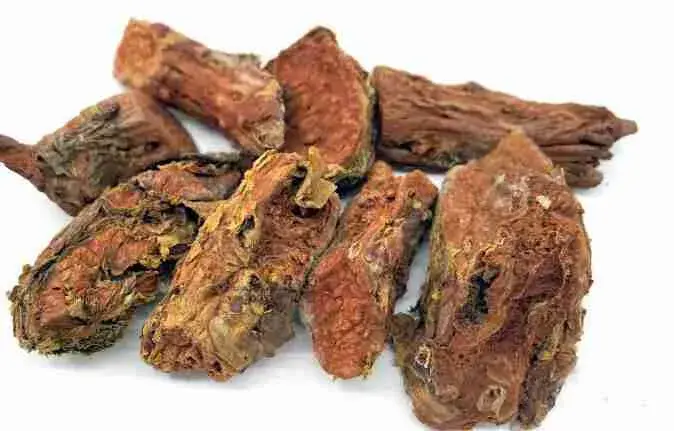
The optimal dosage of Rhodiola rosea extract powder can vary depending on individual factors and the specific health goals. However, most studies have used doses ranging from 200 to 600 mg per day, typically divided into two doses. It's generally recommended to start with a lower dose and gradually increase as needed. For maximum absorption and effectiveness, Rhodiola rosea extract powder is best taken on an empty stomach, about 30 minutes before meals. Consistency is key when using adaptogenic herbs, and it may take several weeks of regular use to experience the full benefits.
Quality Assurance and Sourcing
When selecting a Rhodiola rosea powder extract, quality is paramount. Look for products that are standardized to contain specific percentages of the key active compounds, particularly rosavins (typically 3%) and salidroside (1%). Reputable manufacturers should provide third-party lab testing results to verify the potency and purity of their products. It's also important to consider the sourcing of the Rhodiola rosea. Plants grown in their natural, high-altitude habitats tend to produce higher concentrations of beneficial compounds compared to those cultivated in less stressful environments.
Potential Side Effects and Interactions
While Rhodiola rosea extract powder is generally well-tolerated, some individuals may experience mild side effects such as dizziness, dry mouth, or sleep disturbances, particularly when taken in high doses. As with any supplement, it's advisable to consult with a healthcare professional before adding Rhodiola to your regimen, especially if you have pre-existing medical conditions or are taking medications. Rhodiola may interact with certain medications, including antidepressants, blood thinners, and diabetes medications. Pregnant or breastfeeding women should avoid using Rhodiola rosea extract powder due to limited safety data in these populations.

Conclusion
Rhodiola rosea extract powder stands out as a powerful natural supplement with a wide range of potential health benefits. From combating stress and fatigue to enhancing cognitive function and physical performance, this adaptogenic herb offers a holistic approach to improving overall well-being. As research continues to unveil the mechanisms behind Rhodiola's effects, its popularity is likely to grow among those seeking natural solutions for modern-day health challenges. By choosing a high-quality Rhodiola rosea extract powder and using it consistently and responsibly, individuals may harness the remarkable potential of this ancient herbal remedy to support their health and vitality in today's fast-paced world.
Contact Us
To learn more about our premium Rhodiola rosea extract powder and how it can benefit your health and wellness goals, please contact us at Jessica@xazbbio.com. Our team of experts is ready to answer your questions and help you make an informed decision about incorporating this powerful adaptogen into your daily routine.
References
1. Panossian, A., Wikman, G., & Sarris, J. (2010). Rosenroot (Rhodiola rosea): Traditional use, chemical composition, pharmacology and clinical efficacy. Phytomedicine, 17(7), 481-493.
2. Khanum, F., Bawa, A. S., & Singh, B. (2005). Rhodiola rosea: A versatile adaptogen. Comprehensive Reviews in Food Science and Food Safety, 4(3), 55-62.
3. Ishaque, S., Shamseer, L., Bukutu, C., & Vohra, S. (2012). Rhodiola rosea for physical and mental fatigue: a systematic review. BMC Complementary and Alternative Medicine, 12(1), 70.
4. Darbinyan, V., Kteyan, A., Panossian, A., Gabrielian, E., Wikman, G., & Wagner, H. (2000). Rhodiola rosea in stress induced fatigue—a double blind cross-over study of a standardized extract SHR-5 with a repeated low-dose regimen on the mental performance of healthy physicians during night duty. Phytomedicine, 7(5), 365-371.
5. Hung, S. K., Perry, R., & Ernst, E. (2011). The effectiveness and efficacy of Rhodiola rosea L.: A systematic review of randomized clinical trials. Phytomedicine, 18(4), 235-244.
6. Brown, R. P., Gerbarg, P. L., & Ramazanov, Z. (2002). Rhodiola rosea: A phytomedicinal overview. HerbalGram, 56, 40-52.

Send Inquiry
-Pantothenic Acid Calcium Salt Powder.webp "D-(+)-Pantothenic Acid Calcium Salt")
Related Industry Knowledge
- L-Tyrosine Powder Benefits: Uses & Supplement Guide
- The Benefits of Lactulose Powder for Digestive Health
- Gigawhite Powder Uses and Benefits for Skin Care
- What is The Use of Azelaic Acid Powder?
- What Are the Benefits of Nicotinamide Powder?
- What is GHK-Cu used for?
- How Does Ferulic Acid Benefit Skin?
- How To Take Uridine?
- What Does Berberine Hydrochloride Do?
- What Is The Use Of Choline Chloride Powder?